The Art of Fusion: Blending Moroccan, Turkish, Indian, and European Textile Traditions in Modern Design
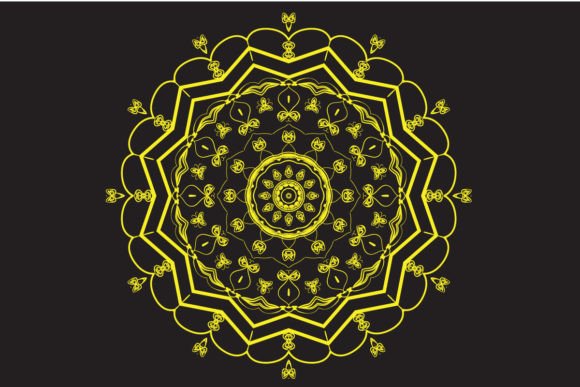
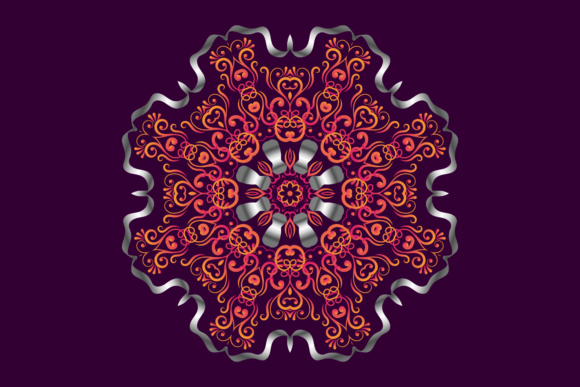
In the vibrant world of fashion and interior design, patterns are more than just visual decorations; they are a language of culture, history, and craftsmanship. Today’s designers are increasingly moving away from isolated aesthetic choices, opting instead for rich, layered narratives that blend diverse global traditions. By combining decorative luxury lace designs with bold geometric stripes, intricate Arabesque textures, and traditional Indian motifs, we create textiles that are not only visually stunning but also deeply meaningful. This article explores how these distinct elements—ranging from Moroccan textile prints to Turkish floor tile inspirations and floral backgrounds—come together to define contemporary luxury.
The Foundation: Geometric Precision and Moroccan Influence
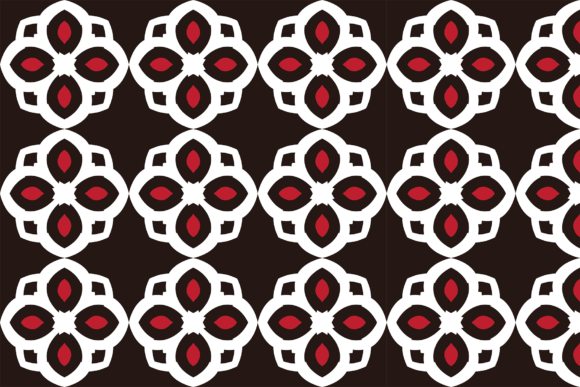
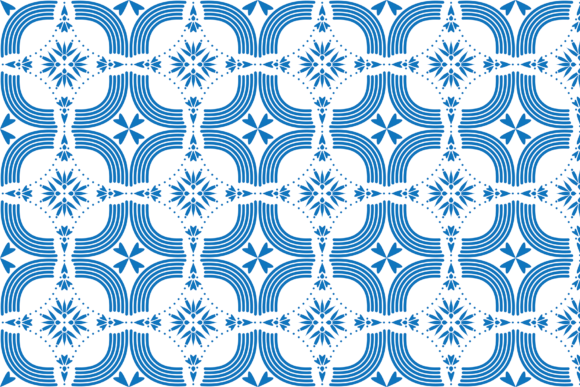
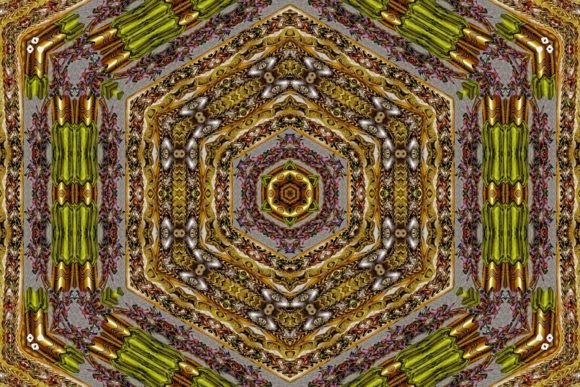
Every great pattern begins with structure. The foundation of many modern ethnic-inspired designs lies in the precision of geometry. Inspired by Moroccan textile prints, repeated pattern designs often utilize complex tessellations that mimic the mathematical beauty found in Islamic art. These geometric stripes and ornaments provide a rhythmic backbone to any fabric, ensuring that even when paired with softer elements, the overall composition remains balanced and grounded.
When applied to Turkish fashion for floor tiles and carpets, this geometric rigor takes on a new dimension. Turkish kilims and Iznik tiles are renowned for their sharp lines and symmetrical layouts. Translating these hard-surface aesthetics into soft textiles requires a delicate touch. Designers achieve this by using high-contrast color palettes and precise repeating units that evoke the feeling of walking through a historic Istanbul courtyard. The result is a fabric that feels architectural yet wearable, perfect for statement pieces like structured coats or modern home decor accents.
The Soul: Arabesque Ethnic Textures and Floral Backgrounds
While geometry provides the skeleton, organic forms provide the soul. Arabesque ethnic texture refers to the flowing, interlacing lines that characterize much of Middle Eastern and North African art. Unlike rigid geometry, Arabesques suggest movement, infinity, and nature. They are often used as background textures because they add depth without overwhelming the eye.
To soften the intensity of geometric stripes and Arabesque lines, designers frequently introduce a floral pattern for background design. These florals do not need to be literal roses or lilies; they can be stylized paisleys, abstract blossoms, or vine-like tendrils that echo the curves of the Arabesque. This layering technique creates a "busy" look that is actually highly controlled. For the consumer, this means a garment that looks unique from every angle, offering a sense of discovery with every movement.
The Heritage: Traditional Indian Kameez Neckline Elements
No discussion of ethnic pattern design is complete without acknowledging the profound influence of South Asian fashion. Traditional Indian kameez neckline design elements have become a staple in global fashion, transcending cultural boundaries to become symbols of elegance and femininity. The kameez, a tunic worn in India, Pakistan, and Bangladesh, features necklines that range from simple round collars to elaborate keyhole cuts and mandarin collars adorned with embroidery.
In modern design, these neckline elements are extracted and adapted. Instead of being confined to traditional tunics, they appear on Western-style blouses, evening gowns, and even casual tops. The significance here is twofold: it honors the heritage of the cut, and it allows for a fusion of silhouettes. For instance, a kurti (a shorter version of the kameez) might feature a geometric border at the hem while sporting a traditional embroidered neckline, bridging the gap between daily wear and festive attire.
Versatility in Application: From Kurtis to Gowns
The true power of this design fusion lies in its versatility. A well-crafted pattern that incorporates ethnic pattern design for Kurtis, Tops, Gown, Kurta, Salwar Kameez, and blouse can transform an entire wardrobe. Here is how these elements manifest across different garments:
- Kurtis and Kurtas: These are the perfect canvas for repeated pattern designs for Moroccan textile print. The straight cut of a kurta allows the geometric flow to remain uninterrupted, creating a sleek, elongated silhouette. Adding a floral background adds warmth, making it suitable for office wear or casual outings.
- Gowns: For evening wear, the combination of decorative luxury lace and Arabesque textures shines. A gown might feature a sheer overlay with a dense Arabesque pattern, providing modesty and mystery, while the bodice utilizes a bold geometric stripe to draw attention to the waist.
- Blouses and Tops: Shorter garments benefit from focused detailing. A blouse might use a floral pattern for background design across the body, while the sleeves feature the contrasting geometric stripes, creating a playful yet sophisticated contrast.
- Salwar Kameez: This traditional ensemble allows for maximum experimentation. The salwar (trousers) can carry the heavy geometric weight, while the kameez offers a lighter, floral or lace-accented top, balancing volume and detail.
The Finishing Touch: Decorative Luxury Lace Details
Perhaps the most luxurious element in this fusion is the use of decorative luxury lace. Lace has historically been associated with European royalty, but when integrated with ethnic motifs, it takes on a new identity. It is no longer just about delicacy; it becomes about opulence and texture.
Strategic placement of lace is key. Lace for collar details can elevate a simple kurta into a high-fashion statement piece. Imagine a crisp cotton kurta with a wide, intricate Chantilly lace collar that mirrors the curves of the Arabesque pattern printed on the fabric. Similarly, lace for cuff designs adds a refined finish to long-sleeved tops, peeking out subtly as the wearer moves their hands.
For dresses and gowns, dress front and back lace applications create drama. A dress might feature a solid geometric stripe body with a lace insert down the center front, drawing the eye vertically and slimming the figure. On the back, a lace panel can offer a glimpse of skin while maintaining the integrity of the pattern, adding an element of surprise and allure.
Common Misunderstandings in Pattern Mixing
One common misconception among beginners is that mixing these styles will result in chaos. However, successful fusion relies on a unifying element. Whether it is a consistent color palette (such as deep indigos, terracottas, and golds) or a recurring motif (like the diamond shape found in both Moroccan and Turkish designs), there must be a thread that ties the disparate elements together. Another misunderstanding is that "ethnic" implies "casual." As seen with luxury lace and tailored gowns, ethnic patterns can be as formal and high-end as any Western couture.
Practical Relevance in Modern Life
Why does this matter? In an era of fast fashion, consumers are seeking uniqueness and storytelling. Wearing a garment that blends Turkish fashion influences with Indian heritage and Moroccan geometry is a way to express a global citizenship. It reflects a appreciation for craftsmanship that spans continents.
Furthermore, this approach supports sustainable creativity. By reinterpreting traditional patterns rather than discarding them, designers keep ancient techniques alive. The traditional Indian kameez neckline is not just a relic; it is a living design element that evolves with each generation. Similarly, the geometric stripe ornament finds new life in digital printing technologies, allowing for sharper, more vibrant repeats than ever before.
Conclusion: Embracing the Fusion
The intersection of decorative luxury lace design, geometric stripes, Arabesque textures, and traditional Indian motifs represents the pinnacle of modern eclectic design. It is a celebration of diversity, proving that beauty is universal even when its expressions vary wildly. Whether you are designing a gown, styling a salwar kameez, or choosing a background design for your home, understanding these elements allows you to create something truly extraordinary.
As you explore these styles, remember that context is king. Use the boldness of Moroccan geometry to anchor your look, the fluidity of Arabesque to add movement, the heritage of Indian necklines to add character, and the luxury of lace to add refinement. By mastering this balance, you don’t just wear clothes or decorate spaces; you curate an experience that honors the past while embracing the future.